Introduction
In today’s fast-paced digital marketplace, simply having an online presence is no longer enough. Consumers expect seamless, personalized experiences across every platform they use. This is where cross-channel marketing becomes a game-changer. By connecting with customers across multiple channels—email, social media, mobile apps, SMS, websites, and even in-store experiences—brands can deliver consistent, engaging messages that drive sales and build loyalty. Here are 7 Cross-Channel Marketing Strategies for 2026.
1. Understand Your Customers’ Journey
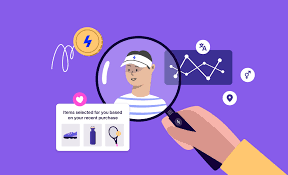
The foundation of any successful cross-channel marketing campaign is a clear understanding of the customer journey. Today’s consumers move effortlessly between devices and platforms. They may discover your brand on social media, browse products on a mobile app, and make a purchase via a desktop website.
To create meaningful experiences, track and analyze how customers interact with each channel. This allows you to:
Identify preferred channels for each segment.
Personalize messaging based on where they are in the buying cycle.
Avoid overloading customers with repetitive or irrelevant communications.
A unified view of the customer journey ensures that every touchpoint reinforces your brand and drives engagement.
2. Align Teams and Break Down Silos

One of the biggest challenges in cross-channel marketing is siloed teams and technologies. Marketing departments often operate independently, with email, social media, mobile, and in-store teams working separately. This can result in inconsistent messaging, duplicated campaigns, and wasted resources.
To overcome this:
Foster collaboration between teams.
Use centralized content management systems.
Align messaging, visuals, and brand tone across channels.
When teams work together, campaigns feel cohesive, increasing customer trust and conversions.
3. Personalize Messages Across Channels

Cross-channel marketing is most effective when messages are personalized. Customers respond better to content that reflects their preferences, past interactions, and stage in the buying journey.
Strategies include:
Segmenting audiences based on behavior, demographics, or purchase history.
Sending targeted emails or push notifications that match customer interests.
Using dynamic content on websites or mobile apps to reflect user preferences.
Personalization not only improves engagement but also drives higher conversion rates and customer loyalty.
4. Optimize for Mobile and Emerging Channels

Mobile devices are now the primary gateway for many customers. Optimizing all campaigns for mobile ensures that users have a seamless experience, whether reading emails, browsing your website, or interacting with an app.
Other emerging channels to consider:
Voice commerce through smart speakers.
Augmented reality (AR) for immersive shopping experiences.
AI-powered chatbots for real-time customer support.
By embracing new technologies, brands can meet customers wherever they are and enhance the overall experience.
5. Integrate Online and Offline Experiences

Cross-channel marketing isn’t limited to digital channels. Offline experiences—such as in-store visits, direct mail, and events—can be integrated with online campaigns to create a unified journey.
Examples include:
Using QR codes or mobile apps in-store to provide additional product information.
Allowing customers to buy online and pick up in-store.
Syncing offline promotions with email and social media campaigns.
Connecting offline and online touchpoints ensures that customers receive consistent messaging, increasing engagement and trust.
6. Track, Test, and Measure Performance

The key to improving cross-channel marketing is data-driven decision-making. Establish key performance indicators (KPIs) such as conversion rates, engagement rates, customer lifetime value, and return on investment (ROI).
Best practices:
Use A/B testing to determine which messages, offers, or channels resonate most.
Monitor behavior across all channels to see where customers drop off or convert.
Leverage analytics tools to unify data from different platforms for a holistic view.
Continuous testing and measurement allow marketers to refine campaigns, ensuring maximum impact across channels.
7. Focus on Consistency and Brand Cohesion

A common mistake in cross-channel marketing is inconsistent messaging. Mixed messages confuse customers, reduce trust, and weaken brand identity.
To maintain cohesion:
Establish brand guidelines for tone, visuals, and messaging.
Ensure all channels reflect the same story and value proposition.
Coordinate campaigns so that promotions, content, and interactions complement each other.
Consistency reinforces brand recognition and creates a professional, trustworthy customer experience.
Benefits of Cross-Channel Marketing

When executed correctly, cross-channel marketing offers significant advantages:
Increased engagement: Customers interact with your brand across multiple touchpoints.
Higher conversion rates: Relevant, timely messages guide customers through the buying journey.
Improved brand loyalty: Personalized experiences foster trust and long-term relationships.
Greater visibility: Multiple channels amplify reach and strengthen brand presence.
Brands that invest in cross-channel strategies can transform casual browsers into loyal, repeat customers.
Conclusion
Cross-channel marketing is no longer optional—it’s a necessity for brands aiming to thrive in the modern marketplace. By understanding the customer journey, breaking down silos, personalizing messages, integrating offline and online channels, and continuously testing campaigns, businesses can achieve maximum growth.
Implement these 7 proven strategies to:
Understand your customers’ journey.
Align teams and break down silos.
Personalize messages across channels.
Optimize for mobile and emerging channels.
Integrate online and offline experiences.
Track, test, and measure performance.
Maintain consistency and brand cohesion.
With these strategies, cross-channel marketing can help you deliver seamless experiences, increase sales, and build lasting customer loyalty.
Click Here To Learn More