Introduction
In the digital landscape, two of the most powerful partnership-based channels are influencer marketing and affiliate marketing. Both help brands extend their reach, boost visibility, and drive revenue. However, while the terms are often used interchangeably, they are not the same. Each channel operates differently, serves unique goals, and brings distinct advantages for brands aiming to scale.
Understanding these differences is crucial, not only for building the right campaigns but also for leveraging their combined potential to improve SEO, conversions, and brand equity.
What is Affiliate Marketing?
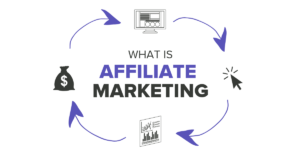
Affiliate marketing is a performance-based strategy where a brand partners with individuals, publishers, or companies (affiliates) who promote its products or services. Affiliates earn a commission when their referrals lead to sales, clicks, or other desired actions.
The success of affiliate marketing lies in its incentive model: affiliates are motivated to generate measurable results, making it highly conversion-focused. Affiliates often rely on content like blog posts, product comparisons, SEO-driven articles, email lists, or even coupon websites to attract buyers.
What is Influencer Marketing?
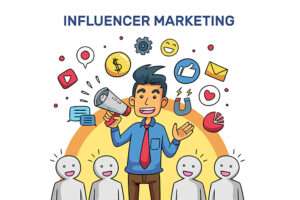
Influencer marketing focuses on partnerships with individuals (influencers or content creators) who have credibility and influence over a specific audience. Brands collaborate with influencers to build awareness, foster engagement, and sometimes drive sales.
Unlike affiliates, influencers are usually compensated through upfront payments, free products, or performance-based bonuses. The power of this channel lies in the personal connection influencers maintain with their followers, making their recommendations more authentic and persuasive.
Key Differences Between Affiliate and Influencer Marketing
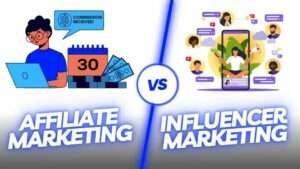
While they overlap, affiliate and influencer marketing differ in three critical areas: goals, audience relationships, and campaign execution.
1. Goals
Affiliate marketing is primarily focused on conversions. Affiliates only succeed when they drive measurable sales or leads.
Influencer marketing can address the full funnel: brand awareness, engagement, and conversions. Many campaigns focus on visibility and trust-building before sales.
2. Audience Relationships
Influencers typically have a direct, personal connection with their audience, often through social media, blogs, or newsletters. Their followers value their opinions and lifestyle.
Affiliates can be individuals or entire organizations. They may not have a personal connection but leverage platforms like review sites, comparison pages, or SEO-driven content to influence buyer behavior.
3. Campaign Implementation
Influencer campaigns involve content creation such as social media posts, videos, stories, or long-term brand partnerships.
Affiliate campaigns may include product placements, banner ads, discount code websites, or SEO-optimized product reviews.
Benefits of Affiliate Marketing

Cost-Effective: Brands only pay affiliates for results, reducing risk.
Scalable Reach: Affiliates can introduce your products to audiences searching for specific solutions.
SEO Value: High-quality affiliate content (such as reviews and guides) can improve brand visibility in search engines.
Strong ROI: Commission-based models make affiliate marketing one of the most predictable and measurable channels.
Benefits of Influencer Marketing
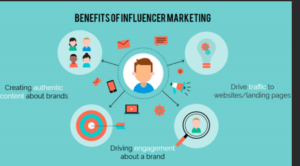
Authenticity and Trust: Influencers build credibility with their followers, and their recommendations often carry more weight than direct brand messaging.
Brand Awareness: Ideal for reaching new audiences who may have never encountered your brand before.
Engagement: Influencers create interactive, relatable content that sparks conversations and keeps brands top-of-mind.
Content Creation: Brands gain high-quality content they can repurpose across their own digital channels.
SEO Impact of Both Channels
Both influencer and affiliate marketing can positively impact SEO, though in different ways.
Affiliate marketing and SEO: Affiliates often create optimized blog posts, product comparisons, and reviews targeting high-intent keywords. These backlinks and mentions improve domain authority and help brands rank higher in search engines. However, poor-quality affiliate networks can harm SEO if links look spammy or irrelevant.
Influencer marketing and SEO: Influencers generate buzz and branded searches. When audiences repeatedly look up your brand after seeing it promoted, it signals relevance to search engines. Influencers also create backlinks through blogs, YouTube descriptions, or mentions, further supporting organic growth.
The strongest SEO impact comes when both channels are integrated. Affiliates can capture high-intent buyers through SEO-driven content, while influencers fuel branded search demand and awareness at the top of the funnel.
Choosing the Right Channel for Your Goals
If your main goal is conversions and ROI tracking, affiliate marketing is the better fit.
If your goal is awareness, engagement, and community building, influencer marketing is more effective.
For a full-funnel strategy, a hybrid approach works best. Influencers can generate interest and trust, while affiliates guide prospects toward purchase decisions.
Metrics to Measure Success
To maximize the impact of either channel, track the right metrics:
Brand Awareness: Reach, impressions, views, branded search volume.
Engagement: Likes, comments, shares, email sign-ups, giveaway entries.
Conversions: Revenue, conversion rate, average order value, affiliate sales.
Aligning metrics with campaign goals ensures you invest in the right partnerships and optimize for long-term success.
Final Thoughts
Influencer marketing and affiliate marketing are not opposing strategies. Instead, they are complementary tools that can be used together to strengthen your brand’s presence and profitability. Affiliates excel at driving measurable sales, while influencers shine in building trust and awareness.
By connecting both back to your business goals, tracking the right metrics, and integrating them into a unified funnel, you can leverage their combined power to boost SEO, increase conversions, and grow your brand sustainably.
Click Here to Read More Articles